A Practical Guide to Siding Installation Chicagoland Homeowners Can Trust
Why Siding Choice Matters in Chicagoland
The climate in the Chicago area is demanding. Hot, humid summers give way to freezing winters with snow and ice. That kind of weather cycle puts stress on any home exterior. Siding is the first line of defense against moisture, wind, and temperature swings. Getting the material right and the siding installation Chicagoland homeowners rely on is critical for long-term performance.
Many homeowners focus only on color and texture when picking siding. Those matter, but the real work happens behind the wall. Proper installation determines whether the siding lasts twenty years or starts failing in five. In a region with freeze-thaw cycles and heavy storms, shortcuts become expensive problems quickly.
Material Options and Their Real-World Trade-Offs
Vinyl siding is the most common choice across Chicagoland. It is affordable, resists rot, and requires little maintenance. Modern vinyl has improved color retention and impact resistance compared to older products. The catch is that vinyl expands and contracts with temperature changes. On a hot summer day, a dark-colored panel can grow noticeably longer than it was in winter. Installers must leave proper clearances and use the right fasteners. If they nail it too tight, the siding can buckle or crack. Loose installation leads to rattling in wind and potential water intrusion.
Fiber cement siding offers a different set of advantages. It looks like wood but resists fire, termites, and rot. It holds paint well and does not warp. Fiber cement is heavier and more brittle than vinyl. Cutting it requires carbide blades and creates silica dust, so installers need proper tools and respirators. The installation process demands careful handling and pre-drilling for fasteners. In Chicagoland, where temperature swings are extreme, fiber cement handles thermal movement better than vinyl, but only if the manufacturer's nailing schedule is followed exactly. A missed nail or a gap left too small can lead to cracks or popped seams.
Engineered wood siding, such as LP SmartSide, combines wood fiber with resin and wax. It resists moisture better than natural wood and comes pre-primed. It cuts and nails like wood, which experienced carpenters appreciate. However, it still requires proper caulking at joints and a quality paint job. In a wet spring or a snowy winter, any exposed end grain can wick moisture if not sealed. The installation details matter as much as the product itself.
The Installation Process: What to Watch For
A quality siding installation Chicagoland residents should expect begins with a solid substrate. The house wrap or building paper must be properly applied over the sheathing. Flashing around windows and doors directs water away from openings. If the weather barrier is compromised, even the best siding will not keep the interior dry.
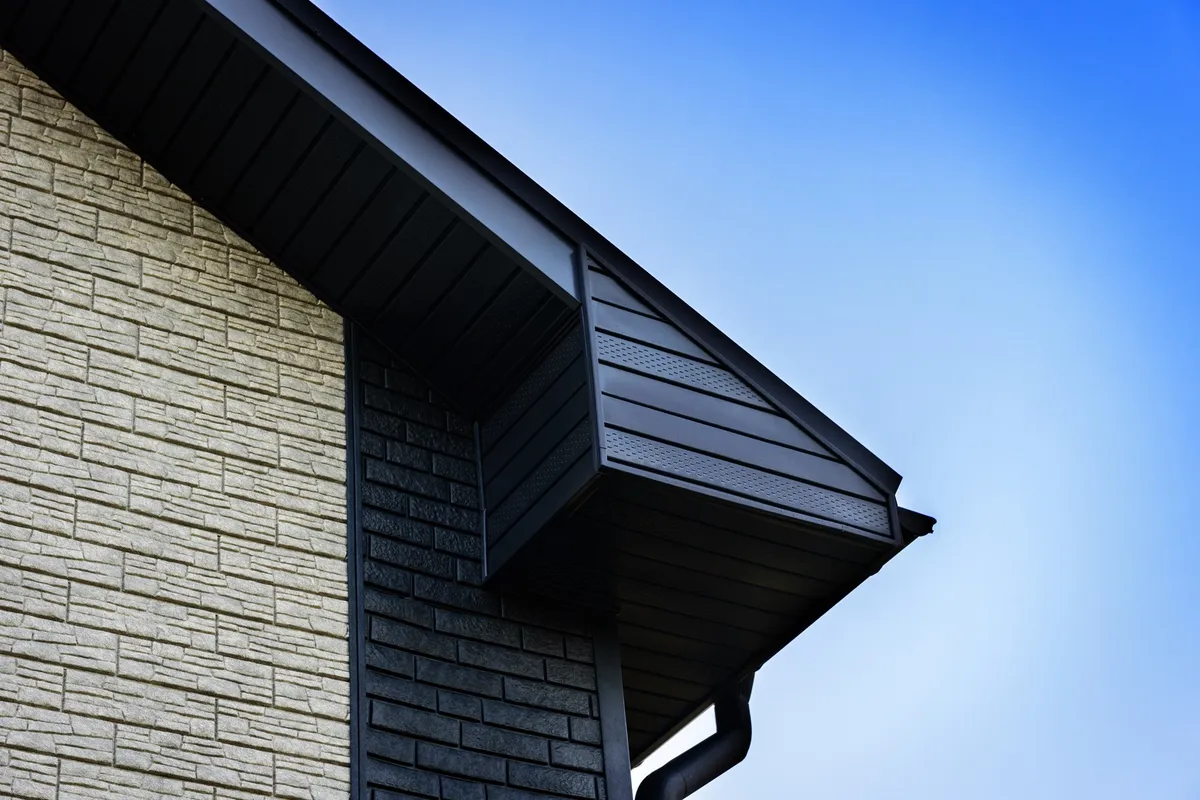
Furring strips or a rainscreen gap is worth considering, especially for homes with wood siding or fiber cement. This air space allows any moisture that gets behind the siding to drain and evaporate. In a climate with snow and rain, that extra step can prevent rot and mold. Not every siding contractor offers it as standard, but it is a mark of thorough work.
Fastener choice matters. Stainless steel or galvanized nails resist corrosion in Chicagoland's humid summers and salty winter roads. Staples are sometimes used for vinyl, but ring-shank nails provide a stronger hold in wind. Each siding type has a recommended fastener pattern. Deviating from it can void the warranty and lead to failures in high winds.
J-channel trim around windows and corners must be installed with expansion gaps. A common mistake is butting the J-channel tight against the window frame. When the siding expands in summer, it buckles. Leaving a quarter-inch gap and caulking it with a quality sealant prevents that issue.
Common Problems and How to Avoid Them
One frequent issue is improper nailing. Nails driven too deep create a dimple that can crack the siding or trap water. Nails driven at an angle can pull out over time. The correct depth leaves the nail head flush with the surface but not sinking into the material. For vinyl, the nail should be driven until the head is just snug, then backed off slightly to allow movement.
Another problem is poor caulking. Caulk that is not compatible with the siding material can stain or fail. For fiber cement, a high-quality acrylic or polyurethane sealant works best. For vinyl, a silicone-based caulk is often recommended. The caulk must be applied in a continuous bead and tooled smooth to create a watertight seal. Gaps at butt joints are a common leak point.
Improper overlapping of siding panels can also cause issues. Each panel should overlap the one below by at least the manufacturer's minimum. If the overlap is too small, wind-driven rain can seep behind the siding. If it is too large, the siding looks awkward and may not fit correctly at corners and trim.

Seasonal Considerations for Installation
Spring and fall are the best seasons for siding work in Chicagoland. Temperatures are moderate, and the weather is relatively dry. Summer heat makes vinyl expand, which can lead to panels that fit well in July but gap in January. Winter cold makes materials brittle and can complicate caulk adhesion. Some installers work year-round, but they must compensate for temperature. If siding is installed in cold weather, the panels should be allowed to acclimate to the site, and fasteners should be driven carefully to avoid cracking.
A responsible contractor will plan the installation around weather forecasts. Rain during installation can trap moisture behind the siding. Snow can hide gaps or create ice dams. Proper scheduling and site protection are signs of a professional approach.
Maintenance After Installation
Once the siding is up, maintenance is relatively simple. Annual inspection of caulk joints and trim is wise. Look for cracks, gaps, or areas where the caulk has pulled away. Re-caulk as needed. Clean the siding with a soft brush and mild detergent to remove dirt and mildew. Power washing is possible but must be done carefully to avoid forcing water behind the panels. For painted siding, touch up any chips or scratches quickly to prevent moisture intrusion. For vinyl, avoid painting unless the manufacturer approves it, as some paints can trap heat and cause warping.
Gutters and downspouts should be kept clear to prevent water from splashing onto the siding. Overhanging trees should be trimmed to reduce shade and moisture buildup. These small steps extend the life of the siding and keep the home looking good.
Connect with us on Instagram.
Choosing a Contractor
Finding a reliable contractor for siding installation Chicagoland homeowners can trust starts with checking references and reviews. Ask about their experience with the specific siding material you are considering. A crew that has only worked with vinyl may not be the best choice for fiber cement. Inquire about their approach to weatherproofing and flashing. A good contractor will be happy to explain their process and show examples of past work.
Look for a contractor who is licensed and insured. In Illinois, licensing requirements vary by municipality, so it is worth confirming. A written contract that details the scope, materials, timeline, and payment schedule protects both parties. Avoid paying the full amount upfront. A typical schedule is a deposit with progress payments.
Finally, trust your instincts. If a contractor seems rushed or dismissive of your questions, that attitude may carry over into the work. Siding is a long-term investment. Taking the time to choose wisely pays off in fewer problems and better curb appeal.
Royal Craft Home Remodelers Inc., located at 1525 Ogden Ave Ste e, Downers Grove, IL 60515, USA, and reachable at +1 630-725-1000, is a Downers Grove based exterior remodeling contractor specializing in roofing, siding, windows, doors, and gutters since 1973.
Corrections
Spot something wrong? Send it to the desk and it gets fixed in the open.